

Directly Formed Finishes: How the Mold Defines the Look
You don't always have to paint a part to make it look good. We can just put the texture right into the mold. When we vacuum-form the ABS, the plastic takes on that exact look. It saves you time and money, but the mold has to be prepped perfectly.
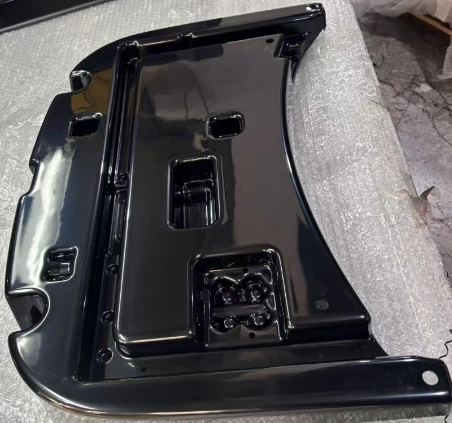
ABS Glossy Finish (High-Gloss)
How it's made?
To get a true high-gloss finish directly from the mold, the aluminum mold must be highly polished. Any tiny scratch or machining mark on the mold will show up on the plastic part.
Pros & Cons
The result is a smooth, premium, glass-like surface that looks just like injection molding.
The downside? High-gloss surfaces are fingerprint magnets. Every speck of dust and tiny scratch shows up right away. And if the plastic sheet isn't heated evenly, you'll get flow marks or little dimples-and on a glossy part, those are impossible to hide.
Best for
Medical equipment housings, high-end consumer electronics, and indoor display panels where a premium look is the top priority.
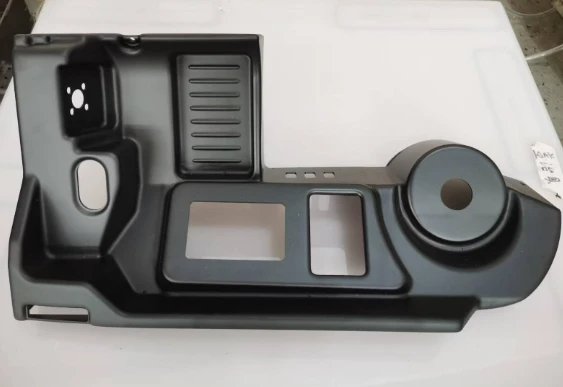
ABS Matte Finish (Textured)
How it's made
Instead of polishing, we apply a texture to the mold-usually through chemical etching or sandblasting. When the hot ABS sheet is sucked against the mold, it picks up this fine texture.
Pros & Cons
Matte finishes are highly practical. They hide fingerprints, minor scuffs, and the natural flow marks that occur during thermoforming. It gives the equipment a professional, industrial look. The main drawback is that deep textures can trap dust and are slightly harder to clean.
Best for
Industrial control panels, outdoor equipment enclosures, and instruments that are frequently handled by operators.
Leather Grain Textures (And How to Make Them Glossy or Matte)
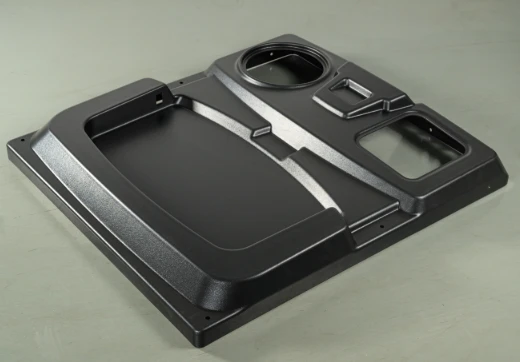
H3: ABS Glossy Leather Grain
Pros & Cons
This is a really unique look. It gives you the texture of leather but with a shiny, almost wet finish. It looks very premium and hides scratches well. The catch? It's a bit tricky to make. If the texture is too deep, the glossy effect can look uneven. Plus, just like any high-gloss part, dust and fingerprints will show up.
Best For
High-end consumer electronics, cosmetic packaging, and premium automotive interior trims.
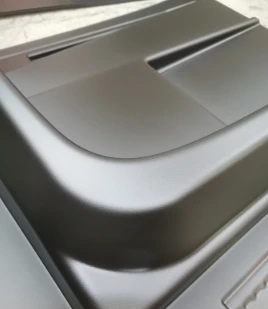
ABS Matte Leather Grain
Pros & Cons
This is the classic, go-to finish for industrial stuff. The texture feels great and gives an expensive, rugged look. It perfectly hides fingerprints, scuffs, and flow marks from forming. The downside? It can collect dust in the tiny grooves, so it needs a bit more care when cleaning.
Best For
Power tool housings, heavy-duty equipment, medical device shells, and anything that gets handled roughly.
Post-Forming Finishes: The Role of Spray Painting
Sometimes, the raw ABS sheet doesn't have the exact color you need, or the mold finish isn't flawless enough. In these cases, we use spray painting after the part is formed. It gives you total control over the final look, but adds cost and lead time.
ABS Gloss Painted Finish
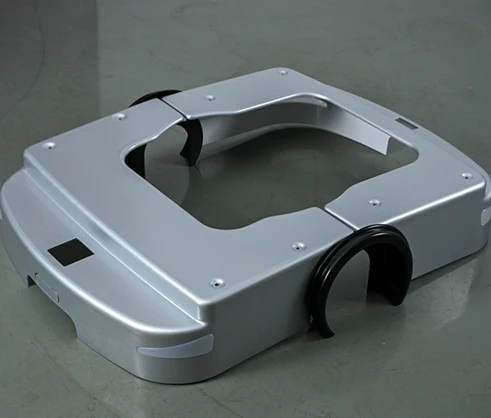
How it's done
The part goes through surface preparation (sanding to remove minor defects), primer application, a color coat, and finally a high-gloss clear coat.
Pros & Cons
Painting allows us to achieve a 100% flawless mirror finish and match any Pantone color perfectly. It covers up any tooling marks. However, it is the most expensive option. Gloss paint is also highly susceptible to scratches, so it usually requires careful packaging and handling.
Best for
Automotive interior parts, high-end medical devices, or brand-facing covers where color matching and a flawless look are critical.
ABS Matte Painted Finish
How it's done
Similar to the glossy version, but the final coat is a matte or satin paint. Sometimes we use a soft-touch rubberized paint for a premium feel.
Pros & Cons
This gives an excellent, high-end texture and completely hides all thermoforming imperfections. It also provides a nice tactile feel. The downside is that matte paint can be sensitive to chemical solvents (like harsh cleaning agents) and tends to show oily fingerprints easily.
Best for
Military or tactical equipment, anti-glare instrument panels, and high-end audio equipment.
How to test:
Colorimeter Analysis : We use a colorimeter to check the color difference (Delta E) between the plastic sheet and your target sample. This ensures your parts match your exact color specs, batch after batch.
Gloss Analysis : Whether you need a high-gloss mirror finish or a clean matte texture, we use a gloss meter to measure the surface reflection. This keeps the gloss level perfectly consistent across all parts, even with complex mold shapes.
How to Choose? (The Factory Guide)
So, what should you choose for your project? Here is a quick breakdown:
Go with Molded Glossy if you want a premium look at a standard cost, and the part won't be handled roughly.
Go with Molded Matte if you want durability, a professional look, and want to hide minor manufacturing flaws.
Go with Painted Finishes if you need a specific color match (Pantone), a completely seamless surface, or if the 3D geometry of the part makes molding a perfect finish impossible.
Still not sure which route fits your budget? Send us your 3D drawings and tell us your target look. We'll evaluate the geometry and recommend the most cost-effective finishing method for your ABS parts.
Please contact us:
elena.zheng@swellder.com
Whatsapp: 8613617041545