

Hey there! As a supplier of Shallow 1020 Trays, I've got a lot of experience when it comes to these handy little trays. One of the most common questions I get from customers is about how to adjust the watering frequency for Shallow 1020 Trays. Well, I'm here to share some tips and tricks that'll help you keep your plants happy and healthy.
First off, let's talk about why watering frequency matters. Plants need the right amount of water to grow properly. Too much water can lead to root rot, mold, and other problems. On the other hand, too little water can cause the plants to wilt and die. So, finding the sweet spot is crucial.
The watering frequency for Shallow 1020 Trays depends on several factors. The type of plants you're growing is a big one. Some plants, like succulents, prefer drier soil and don't need to be watered as often. Others, like lettuce or herbs, need more moisture and should be watered more frequently.
The environment also plays a huge role. If you're growing your plants in a hot, dry climate, they'll dry out faster and need more water. In a cool, humid environment, the soil will stay moist for longer, and you can water less often.
The size of the plants and the amount of soil in the tray are important too. Smaller plants in a tray with less soil will dry out more quickly than larger plants in a tray with more soil.
Now, let's get into some practical steps to adjust the watering frequency.
Step 1: Check the Soil Moisture
The best way to know when to water your plants is to check the soil moisture. You can do this by sticking your finger about an inch into the soil. If it feels dry, it's time to water. If it's still moist, wait a little longer.
Another option is to use a moisture meter. These are inexpensive and easy to use. Just stick the probe into the soil, and it'll give you a reading of the moisture level.
Step 2: Start with a Schedule
When you first start using Shallow 1020 Trays, it can be helpful to have a watering schedule. For most plants, a good starting point is to water every 2 - 3 days. But remember, this is just a guideline, and you'll need to adjust it based on the factors we talked about earlier.
Step 3: Observe Your Plants
Your plants will give you clues about whether they're getting enough water. If the leaves are wilting, it's a sign that they're thirsty. If the leaves are yellowing or there's mold on the soil, it could mean you're over - watering.
Pay attention to how your plants look and feel over time. This will help you fine - tune the watering frequency.
Step 4: Consider the Tray Design
Shallow 1020 Trays have a relatively small amount of soil, which means they can dry out quickly. You might want to consider using a tray with more depth or adding a layer of mulch on top of the soil to help retain moisture.
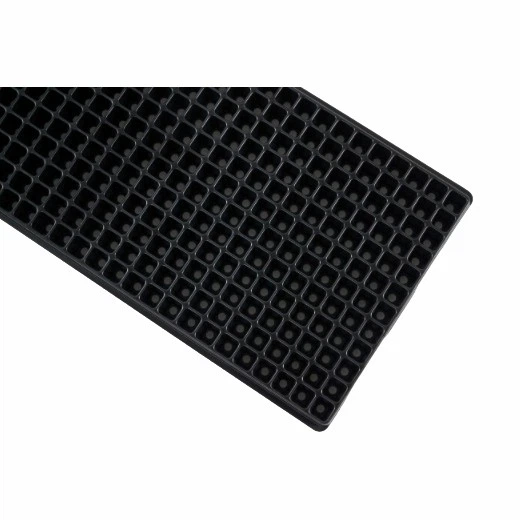
We also offer different types of trays, like the 21 32 36 50 72 105 128 Cells Tray and the Seedling Tray, which can be used depending on your specific needs. The Hydroponic Grow Tray with Transparent Cover is another great option as it can help maintain a more consistent moisture level.

Step 5: Adjust Based on Growth Stages
As your plants grow, their water needs will change. When they're seedlings, they need less water. As they get bigger and start to produce leaves and flowers, they'll need more.
For example, when you first plant your seeds in the Shallow 1020 Trays, you can water gently and less often. As the seedlings emerge and grow, gradually increase the amount and frequency of watering.
Step 6: Use the Right Watering Method
The way you water your plants can also affect the watering frequency. Watering from the bottom, by placing the tray in a shallow dish of water and letting the soil soak it up, can help ensure that the roots get enough water without over - saturating the top layer of soil. This can reduce the risk of mold and fungal diseases.
On the other hand, watering from the top can be quicker but may lead to more evaporation and uneven watering.
Step 7: Keep Records
It can be really helpful to keep a record of when you water your plants and how they're doing. This can help you see patterns over time and make more informed decisions about adjusting the watering frequency.
You can use a simple notebook or a gardening app to track this information.
In conclusion, adjusting the watering frequency for Shallow 1020 Trays takes a bit of trial and error. But by paying attention to the factors we've discussed, checking the soil moisture regularly, and observing your plants, you'll be able to find the perfect watering schedule for your plants.
If you're interested in purchasing Shallow 1020 Trays or any of our other products, we'd love to hear from you. Whether you're a home gardener or a commercial grower, we can provide you with high - quality trays that will help you grow healthy and beautiful plants. Reach out to us to start a discussion about your specific needs and how we can assist you in your gardening journey.
References
- "The Vegetable Gardener's Bible" by Edward C. Smith
- "Gardening Basics: Watering Your Plants" by The Old Farmer's Almanac