

Shallow 1020 trays are widely used in various agricultural and horticultural applications, from starting seeds to growing microgreens. As a supplier of these trays, I often get asked whether they require any special maintenance. In this blog post, I'll explore this question in detail, providing insights based on my experience in the industry.
Understanding Shallow 1020 Trays
Before delving into the maintenance aspect, it's important to understand what Shallow 1020 trays are. These trays typically measure 10 inches by 20 inches, offering a standard size that is convenient for both small - scale home gardeners and large - scale commercial growers. They come in different types, such as Shallow 1020 Trays No Holes, which are ideal for holding water or growing plants that require a more water - retentive environment, and trays with holes for better drainage.
General Maintenance Requirements
Cleaning
One of the most fundamental maintenance tasks for Shallow 1020 trays is cleaning. After each use, it's crucial to remove any remaining soil, plant debris, or roots from the trays. This can be done by simply shaking out the loose material and then using a stiff brush to scrub away any stubborn residue. For a more thorough clean, you can soak the trays in a solution of warm water and mild detergent. Make sure to rinse the trays thoroughly after soaking to remove all traces of the detergent, as any leftover detergent can be harmful to plants.
Disinfection
Disinfection is an important step to prevent the spread of diseases and pests between plantings. There are several ways to disinfect Shallow 1020 trays. One common method is to use a bleach solution. A mixture of one part bleach to nine parts water is usually sufficient. Soak the trays in this solution for about 15 - 20 minutes, then rinse them well with clean water and let them dry completely before reuse. Another option is to use a commercial disinfectant specifically designed for horticultural equipment. These products are often formulated to be less harsh on the trays while still effectively killing pathogens.

Inspection
Regular inspection of the trays is also necessary. Check for any signs of damage, such as cracks, holes, or warping. Cracks can lead to water leakage and may also provide entry points for pests. If you notice minor damage, you can sometimes repair it using a suitable adhesive or patching material. However, if the damage is extensive, it may be more cost - effective to replace the tray.
Special Considerations for Different Types of Use
Seed Starting
When using Shallow 1020 trays for seed starting, the trays need to be kept clean and free of contaminants to ensure successful germination. Before sowing seeds, it's a good idea to give the trays an extra - thorough cleaning and disinfection. Also, make sure the trays are placed in a clean and well - ventilated area to prevent the growth of mold and fungi.
Microgreens Production
In microgreens production, the trays are often used in a high - turnover environment. This means that they need to be cleaned and disinfected more frequently. Additionally, since microgreens are typically grown in a dense mat, there may be more organic matter left in the trays after harvest. Pay special attention to removing all the microgreen roots and any remaining growing medium to prevent cross - contamination between batches.
Hydroponic Systems
If you're using Shallow 1020 trays in a hydroponic system, the maintenance requirements are a bit different. In hydroponics, the trays are in constant contact with water and nutrient solutions. This can lead to the buildup of mineral deposits on the trays over time. To prevent this, you can periodically soak the trays in a descaling solution to remove the deposits. Also, make sure to regularly check the water level and quality in the hydroponic system to ensure that the trays are functioning properly.
Impact of Material on Maintenance
Shallow 1020 trays are made from different materials, such as plastic, biodegradable materials, and metal. Each material has its own maintenance requirements.
Plastic Trays
Plastic trays are the most common type. They are relatively easy to clean and disinfect. However, they can become brittle over time, especially if exposed to extreme temperatures or harsh chemicals. Avoid using abrasive cleaners on plastic trays, as this can scratch the surface and make it more prone to damage.
Biodegradable Trays
Biodegradable trays are an environmentally friendly option. They are often made from materials like coconut coir or recycled paper. These trays generally require less intensive cleaning as they are designed to break down over time. However, they may not be as durable as plastic trays and may need to be replaced more frequently.
Metal Trays
Metal trays are less common but can be a good choice for certain applications. They are more durable than plastic trays but are also more prone to rusting. To prevent rust, make sure to dry the metal trays thoroughly after cleaning and avoid leaving them in a wet environment for extended periods. You can also apply a rust - resistant coating to the trays if necessary.
Long - Term Storage
If you're not going to use the Shallow 1020 trays for an extended period, proper storage is essential. Clean and disinfect the trays before storing them. Make sure they are completely dry to prevent the growth of mold. Stack the trays neatly to save space, but be careful not to stack them too tightly, as this can cause warping. Store the trays in a cool, dry place away from direct sunlight.
Comparison with Other Types of Trays
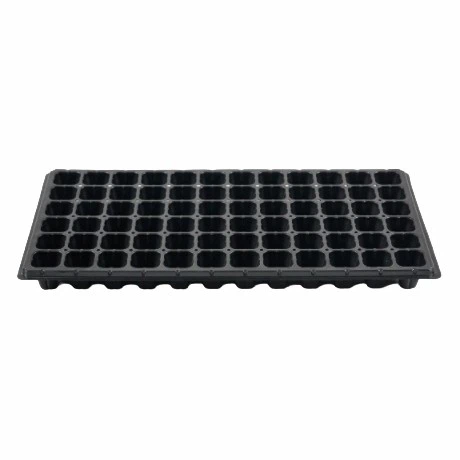
When comparing Shallow 1020 trays with other types of trays, such as 21 32 36 50 72 105 128 Cells Tray and Seedling Tray, the maintenance requirements are generally similar in terms of cleaning and disinfection. However, the shape and design of these other trays may present some unique challenges. For example, the individual cells in multi - cell trays may be more difficult to clean thoroughly, and there may be more crevices where dirt and debris can accumulate.
Conclusion
In conclusion, while Shallow 1020 trays do not require overly complex or specialized maintenance, following a regular maintenance routine is essential to ensure their longevity and optimal performance. By cleaning, disinfecting, inspecting, and storing the trays properly, you can get the most out of your investment and avoid potential problems in your agricultural or horticultural operations.
If you're interested in purchasing high - quality Shallow 1020 trays or have any questions about their maintenance or use, feel free to reach out to us. We're here to provide you with the best products and support for your growing needs.
References
- Horticultural Equipment Maintenance Guide, [Publisher Name], [Year of Publication]
- Principles of Plant Pathology, [Author Name], [Year of Publication]
- Hydroponic Systems: Design and Maintenance, [Author Name], [Year of Publication]