

Hey there! As a supplier of forklift display housings, I get asked all the time about the best way to store these crucial components. Forklift display housings aren't just ordinary parts; they're essential for the proper functioning and display of vital information in forklifts. So, let's dive right in and uncover the top methods to store them.
First off, I wanna mention a few related things. If you're interested in the bigger picture of forklift components, you might want to check out Vacuum Forming Forklift Body Shell. It gives you an idea of what else goes into making a forklift look and work great. And for those curious about the control panel side of things, head over to Components of a Forklift Control Panel. Oh, and if you're focused on the instrument cover, take a peek at Vacuum Formed Forklift Instrument Cover.
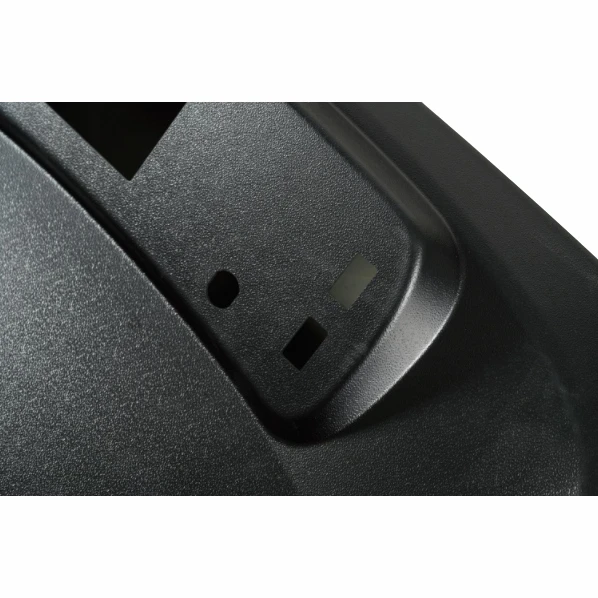
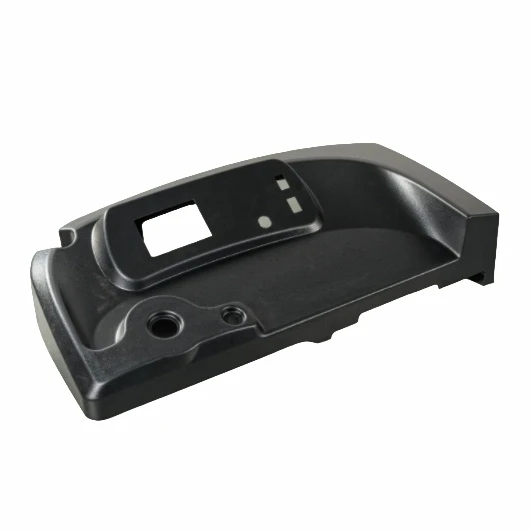
Now, back to storing the forklift display housing. One of the fundamental things to consider is the environment. These housings are often made of plastic or other materials that can be affected by various elements. Temperature control is key. You don't want to store them in places where the temperature fluctuates wildly. Extreme heat can cause the plastic to warp or soften, while extreme cold can make it brittle and more prone to cracking. A stable temperature, ideally between 18°C - 24°C (64°F - 75°F), is the sweet spot.
Humidity is another big deal. High humidity can lead to moisture buildup on the housing, which can then cause corrosion, especially if there are any metal parts or connections inside the display unit. On the flip side, overly dry conditions can also be bad as it can cause static build - up, which might attract dust and other particles. A humidity level of around 40% - 60% is a good target to aim for.
When it comes to the actual storage space, cleanliness is non - negotiable. The area should be clean and free from dirt, dust, and debris. Dust can get into the nooks and crannies of the display housing, potentially affecting the internal components and the display's visibility. You might even consider using dust covers to protect the housings further.
Now, let's talk about how to physically store them. Stacking them up can be tempting, but it's not always the best idea. The weight of the upper housings can put pressure on the ones below, leading to dents or deformations, especially if they're made of lightweight plastic. Instead, try using shelving units. If you do stack them, make sure to use some kind of buffer between the layers, like foam pads.
Shelving units also provide better organization. You can label each section with details about the type of display housing, its model number, and other relevant info. This makes it a lot easier to find the specific housing you need when it's time for a replacement or installation.
Another thing you can do is create custom storage solutions. For example, if you have a large quantity of the same type of forklift display housing, you can build storage boxes that are specifically designed to hold them. These boxes can have dividers to keep each housing separate and prevent them from knocking into each other. And again, it's easy to label the boxes so you know exactly what's inside.
Handling during storage is also important. When moving the display housings from one place to another within the storage area, make sure to hold them properly. Avoid gripping them too tightly in areas where they might crack, and be gentle when placing them in the storage location.
It's also a good idea to have a regular inspection routine. Check the housings periodically for any signs of damage, like cracks, scratches, or discoloration. If you notice any issues early on, you can take steps to either repair the damage or remove the faulty housing from the storage area so it doesn't get mixed up with the good ones.
Let's not forget about ventilation. Proper ventilation helps to maintain the right temperature and humidity levels in the storage area. It can also prevent the build - up of any fumes that might be coming from the manufacturing process of the display housings or other chemicals in the storage environment. If the storage room doesn't have natural ventilation, you can install fans or other ventilation systems.
In addition to environmental factors, you should also be mindful of security. Forklift display housings can be quite valuable, and you don't want them to go missing. Make sure the storage area has proper security measures in place, like locks on the doors and perhaps a surveillance system.
Now, I know you might be wondering why all these storage details matter. Well, a well - stored forklift display housing will last longer and perform better. When it comes time for installation in a forklift, a housing that has been stored correctly will fit properly and provide reliable service. This means less downtime for the forklift and happier customers.
As a forklift display housing supplier, I've seen firsthand how proper storage can make a huge difference. And we're always here to assist you in getting the best - quality housings. Whether you're a forklift manufacturer, a maintenance shop, or someone in charge of forklift fleets, we've got what you need.
If you're interested in purchasing forklift display housings or just want to chat more about storage tips and our products, don't hesitate to reach out. We're happy to answer any questions you have and work with you to find the perfect solutions for your needs.
References:
- General knowledge in the forklift parts industry
- Experience from servicing forklift display housing clients over the years