

Hey there! As a supplier of forklift control enclosures, I've seen firsthand the diverse range of these enclosures out there. Today, I'm gonna break down the differences between different types of forklift control enclosures.
Open - Style Forklift Control Enclosures
Let's start with the open - style enclosures. These are pretty basic and straightforward. They're designed to give the operator maximum visibility and a sense of openness. With an open - style enclosure, the operator can easily look around in all directions without any major obstructions. This is great for forklift operations in well - ventilated and relatively clean environments, like large warehouses with high ceilings and good air circulation.
One of the main advantages of open - style enclosures is the cost. They're generally less expensive to manufacture compared to more enclosed options. Since they don't have a lot of extra panels or complex structures, the materials and labor costs are lower. Also, they're easier to maintain. You can quickly access the control panel and other components for cleaning, inspection, or repairs.
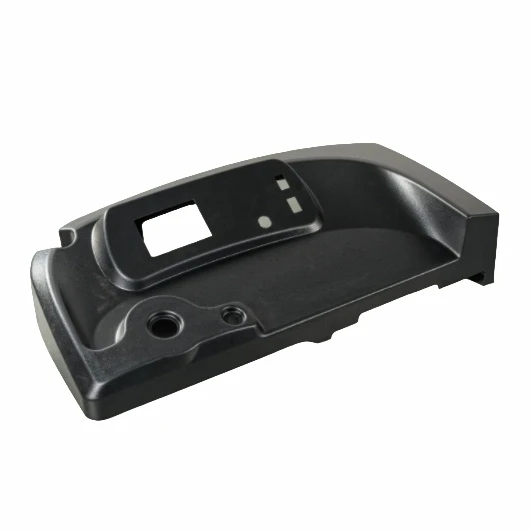
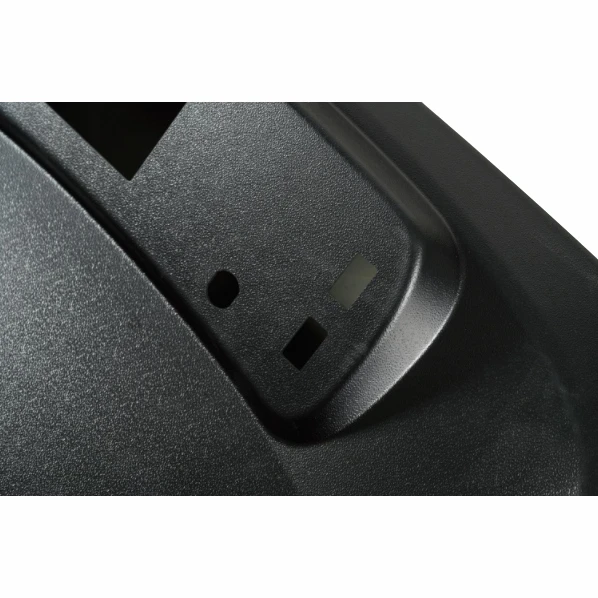
However, there are some downsides. In harsh weather conditions, like rain, snow, or extreme heat, the operator is directly exposed. For example, in a rainy outdoor yard, the operator will get wet, which can be uncomfortable and may even affect their ability to operate the forklift safely. And in dusty environments, dust can easily reach the control panel, potentially causing damage over time.
Closed - Cab Forklift Control Enclosures
On the other hand, we have closed - cab enclosures. These are like little rooms for the forklift operator. They offer a high level of protection from the elements. Whether it's scorching heat, freezing cold, heavy rain, or blowing snow, the operator inside a closed - cab enclosure stays comfortable. This is especially important for outdoor forklift operations or in industrial settings where the environment is harsh.
Closed - cab enclosures also provide better noise insulation. Forklifts can be quite noisy, and the constant engine and hydraulic system sounds can be tiring for the operator. A well - sealed closed - cab enclosure can significantly reduce the noise level, making the work environment more pleasant.
But, there are some trade - offs. Closed - cab enclosures are more expensive. The materials used for the walls, windows, and the sealing mechanisms are costlier, and the manufacturing process is more complex. Also, they require proper ventilation systems to keep the air inside fresh. Without good ventilation, the operator may feel stuffy, and it can even lead to health issues in the long run.
Semi - Enclosed Forklift Control Enclosures
Then there are semi - enclosed enclosures. These are a bit of a middle ground between open - style and closed - cab enclosures. They typically have some form of protection on the sides and maybe a partial roof, but still allow for a good amount of visibility.
Semi - enclosed enclosures are great for environments where there are occasional weather challenges, but you still want the operator to have a relatively open view. For example, in a large outdoor storage area where it might rain occasionally but is mostly sunny. They offer more protection than open - style enclosures without the high cost and complexity of closed - cab enclosures.
However, they don't provide the same level of all - around protection as closed - cab enclosures. In heavy rain or extreme cold, the operator may still feel some discomfort, and the control panel may be more exposed to the elements compared to a fully enclosed cab.
Key Components and Their Impact on Different Enclosures
Now, let's talk about the components of a forklift control panel. You can check out more details about the [Components of a Forklift Control Panel](/vacuum - forming - plastic - forklift - body - parts/forklift - plastic - body - parts/forklift - panel - components.html). The layout and design of the control panel can vary depending on the type of enclosure.
In open - style enclosures, the control panel needs to be durable and resistant to dust and minor impacts. Since it's more exposed, there's a higher risk of debris hitting it. The controls should also be easy to reach and operate, as the operator may not have a lot of extra space to move around.
For closed - cab enclosures, the control panel can be more sophisticated. It can have additional features like climate control buttons, advanced display screens, and better - insulated wiring. The enclosure provides a more protected environment, so the panel can be designed with more delicate components.
Semi - enclosed enclosures fall somewhere in between. The control panel should be protected enough from the elements but still be accessible and user - friendly for the operator.
Vacuum - Formed Forklift Control Enclosures
At our company, we often use vacuum - forming technology for our forklift control enclosures. Vacuum - formed enclosures offer several advantages.
First of all, vacuum - forming allows for a high degree of customization. We can create enclosures in various shapes and sizes to fit different forklift models and operator requirements. Whether it's an open - style, closed - cab, or semi - enclosed enclosure, we can design it to meet the specific needs of the customer.
Vacuum - formed enclosures are also lightweight. This is important because it doesn't add too much extra weight to the forklift, which can affect its performance and fuel efficiency. And they're relatively strong and durable. The plastic materials used in vacuum - forming can withstand normal wear and tear in a forklift operating environment.
If you're interested in our vacuum - formed products, you can take a look at our [Vacuum Forming Forklift Body Shell](/vacuum - forming - plastic - forklift - body - parts/forklift - plastic - body - parts/vacuum - forming - forklift - body - shell.html) and [Vacuum Forming Forklift Enclosure](/vacuum - forming - plastic - forklift - body - parts/forklift - plastic - body - parts/vacuum - forming - forklift - enclosure.html).
Conclusion and Call to Action
So, as you can see, there are significant differences between different types of forklift control enclosures. Each type has its own set of advantages and disadvantages, and the choice depends on the specific operating environment and requirements of the forklift.
If you're in the market for forklift control enclosures, we'd love to have a chat with you. We can help you figure out which type of enclosure is best for your situation and provide you with high - quality products. Don't hesitate to reach out for a quote or to discuss your needs in more detail.
References
- Industrial Forklift Handbook. 2nd Edition. [Publisher name not specified], 20XX.
- Forklift Operator's Manual (Generic). [Manufacturer name not specified], 20XX.