

Hey there! As a supplier of equipment housing, I know how crucial it is to ensure the integrity of the products we offer. In this blog, I'm gonna share some practical ways to test the integrity of equipment housing.
Why Testing Equipment Housing Integrity Matters
Before we jump into the testing methods, let's talk about why we need to test the integrity of equipment housing in the first place. Equipment housing serves as a protective shell for the internal components of various devices. It shields them from external factors like dust, moisture, mechanical impacts, and even electromagnetic interference. If the housing is not intact, these external elements can penetrate and damage the sensitive internal parts, leading to malfunctions, reduced lifespan, and potentially costly repairs or replacements.
Visual Inspection
The first and simplest way to test equipment housing integrity is through a visual inspection. This is a basic but very important step. You just need to take a good look at the housing. Check for any visible cracks, scratches, dents, or other physical damages. Cracks are especially concerning as they can allow dust and moisture to seep in. Scratches might not seem like a big deal at first, but deep scratches can weaken the housing over time.
When doing a visual inspection, make sure to examine every part of the housing, including the corners, edges, and seams. Sometimes, small cracks can be hard to spot, so it's a good idea to use a magnifying glass if needed. If you find any visible damages, it's likely that the integrity of the housing has been compromised.
Pressure Testing
Pressure testing is another effective method to check the integrity of equipment housing. The basic principle behind pressure testing is to create a pressure difference between the inside and outside of the housing and see if there are any leaks.
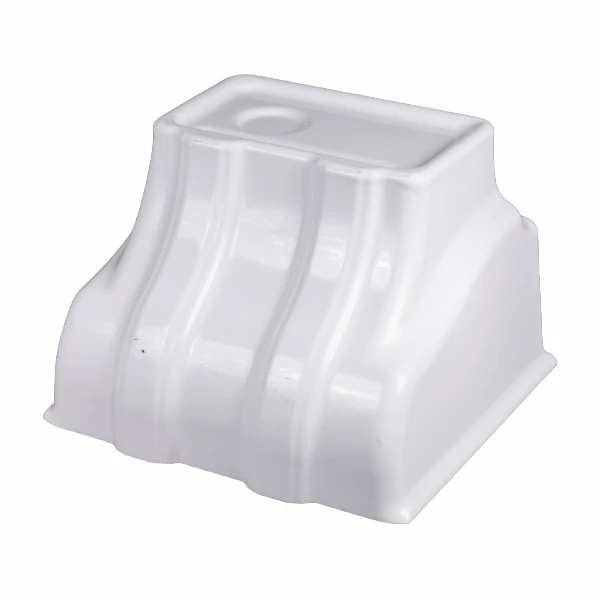
There are two main types of pressure testing: positive pressure testing and negative pressure testing. In positive pressure testing, you pump air or another gas into the housing to create a higher pressure inside than outside. Then, you look for any signs of gas leakage, such as bubbles if the housing is submerged in water or the movement of a pressure gauge indicating a drop in pressure.

Negative pressure testing, on the other hand, involves creating a lower pressure inside the housing. You can do this by using a vacuum pump. If there are any leaks in the housing, air will rush in from the outside, and you can detect this through changes in pressure readings or by using sensors.
Pressure testing is great because it can detect even small leaks that might not be visible during a visual inspection. However, it requires some specialized equipment, such as pressure gauges and pumps.

Impact Testing
Equipment housing often needs to withstand impacts during transportation, installation, or normal use. Impact testing helps us determine if the housing can handle these impacts without breaking or losing its integrity.
One common way to conduct impact testing is to use a pendulum impact tester. This device swings a pendulum of a known mass and velocity at the housing. The impact energy is calculated based on the height from which the pendulum is released. After the impact, you can examine the housing for any damages.
Another method is the drop test. You simply drop the housing from a certain height onto a hard surface. The height and the surface material can be adjusted based on the specific requirements of the equipment. After the drop, check if there are any cracks or other signs of damage.
Impact testing gives us an idea of how durable the housing is and whether it can protect the internal components under real - world impact conditions.
Chemical Resistance Testing
In some environments, equipment housing might be exposed to various chemicals. Chemical resistance testing is used to determine if the housing material can withstand these chemicals without degrading or losing its integrity.
To conduct chemical resistance testing, you can immerse a sample of the housing material in the relevant chemicals for a certain period of time. Then, you check for any changes in the material's appearance, such as discoloration, swelling, or softening. You can also measure the mechanical properties of the material before and after the immersion to see if there are any significant changes.
For example, if the equipment is going to be used in a chemical factory, it's important to test the housing's resistance to the chemicals commonly found in that environment. This ensures that the housing can maintain its integrity and continue to protect the internal components over time.
Environmental Testing
Equipment housing can be exposed to a wide range of environmental conditions, including temperature variations, humidity, and sunlight. Environmental testing helps us understand how the housing will perform under these conditions.
Temperature testing involves subjecting the housing to different temperatures, both high and low. You can use temperature chambers to control the temperature precisely. After the temperature exposure, check for any signs of expansion, contraction, or cracking.
Humidity testing is also important. High humidity can cause moisture to accumulate inside the housing, which can lead to corrosion of the internal components. You can place the housing in a humidity chamber and monitor it for any signs of moisture ingress or material degradation.
Sunlight exposure can cause the housing material to fade, become brittle, or lose its strength over time. You can use a sunlight simulator to expose the housing to artificial sunlight and observe the changes.
Importance of Testing in Our Business
As a supplier of [Brand custom equipment housing]( /vacuum - forming - plastic - cover - shell/equipment - housing/vacuum - forming - service.html), we take the integrity of our products very seriously. Testing the equipment housing helps us ensure that we are providing high - quality products to our customers.
By using these testing methods, we can identify any potential issues early in the production process. This allows us to make necessary adjustments and improvements to our manufacturing processes. It also helps us build trust with our customers, as they know that our products have been thoroughly tested and can withstand the rigors of real - world use.
Our Product Range
We offer a wide range of equipment housing products, including [OEM plastic cover]( /vacuum - forming - plastic - cover - shell/equipment - housing/thermoforming - products.html) and [Thermoforming Vacuum Shield Cover for Equipment Protection]( /vacuum - forming - plastic - cover - shell/equipment - housing/thermo - vacuum - forming.html). These products are designed to meet the diverse needs of our customers.

Our OEM plastic covers are customizable, which means we can design and manufacture them according to your specific requirements. Whether you need a unique shape, size, or color, we can make it happen.
The thermoforming vacuum shield covers are made using advanced thermoforming technology. This process allows us to create strong and durable covers that provide excellent protection for your equipment.
Let's Connect
If you're in the market for high - quality equipment housing, we'd love to hear from you. Whether you have a specific project in mind or just want to learn more about our products, feel free to reach out. We're here to help you find the best equipment housing solutions for your needs. Contact us for a detailed discussion and let's start a great business partnership!
References
- ASTM International. (20XX). Standard test methods for various materials and products related to equipment housing.
- ISO Standards. (20XX). International standards for testing the integrity and performance of equipment housing.