

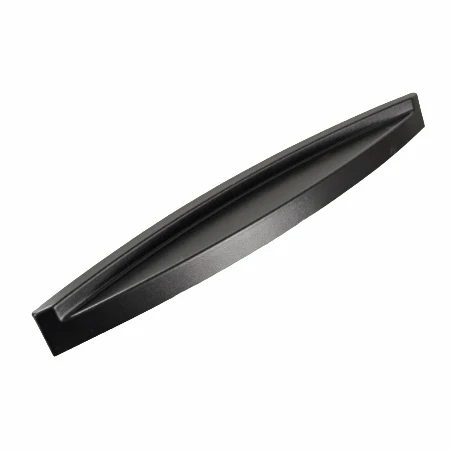
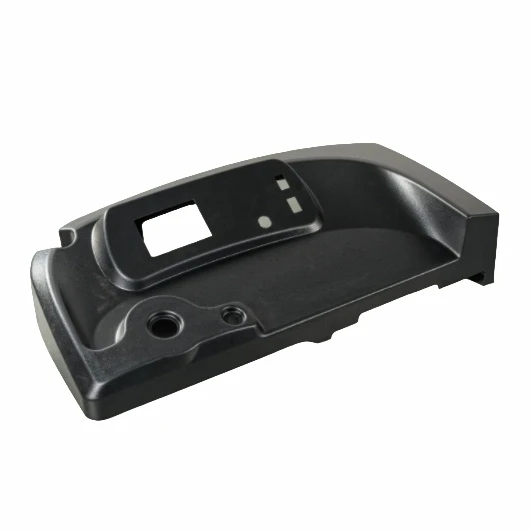
Hey there! As a supplier of Forklift Front Cover Shells, I've seen firsthand how crucial it is to get that perfect fit. A well - fitting front cover shell not only enhances the forklift's appearance but also plays a significant role in its overall functionality and protection. In this blog, I'm gonna share some tips on how to adjust the position of the forklift front cover shell for a better fit.
Understanding the Basics
Before we dig into the adjustment process, let's take a quick look at why a proper fit matters. The forklift front cover shell acts as a shield, protecting the vital components of the forklift from dust, debris, and minor impacts. If it's not properly positioned, it might not offer the best protection, and in some cases, it could even lead to premature wear and tear of the covered parts.
Tools You'll Need
To adjust the position of the forklift front cover shell, you don't need a whole bunch of fancy tools. Here's a simple list of what you'll likely need:
- Screwdriver set: Different types of screwdrivers will come in handy as the cover shell is usually attached with screws.
- Pliers: Useful for gripping and adjusting small parts or wires that might be in the way.
- Measuring tape: To ensure that the cover shell is centered and at the right height.
Step 1: Inspect the Current Position
The first thing you gotta do is take a good look at how the front cover shell is currently positioned. Check for any visible gaps, misalignments, or areas where the shell seems to be rubbing against the forklift body. Look at it from different angles - the front, the sides, and even from above. This will give you a clear idea of what needs to be adjusted.
Step 2: Loosen the Fasteners
Once you've identified the areas that need adjustment, it's time to loosen the fasteners. Most forklift front cover shells are attached with screws or bolts. Use your screwdriver or the appropriate tool to carefully loosen these fasteners. Don't take them out completely; just loosen them enough so that the cover shell can be moved around a bit.
Step 3: Make Minor Adjustments
Now comes the fun part - making those adjustments. If the cover shell is too high or too low, gently lift or lower it to the desired position. Use your measuring tape to make sure it's at the right height. If it's off - center, carefully slide it to one side or the other until it's perfectly centered.
While making these adjustments, keep an eye on any wires or hoses that might be connected to the cover shell or the forklift. You don't want to accidentally damage them.
Step 4: Check the Fit
After making the adjustments, it's time to check the fit again. Tighten the fasteners just a little bit, then step back and look at the forklift. Check for any remaining gaps or misalignments. If everything looks good, you can go ahead and fully tighten the fasteners. But if you still notice some issues, go back and make further adjustments.
Step 5: Fine - Tuning
Sometimes, even after the initial adjustments, you might find that there are still some minor areas that need fine - tuning. For example, there might be a small gap at one corner of the cover shell. In this case, you can use shims or small spacers to fill the gap. Just make sure that the shims are made of a suitable material that won't cause damage to the cover shell or the forklift body.
Common Issues and How to Solve Them
- Gaps around the edges: If you notice gaps around the edges of the cover shell, it could be because the shell isn't properly seated. Try pressing down firmly on the edges while tightening the fasteners. If the gaps are still there, you might need to check if the forklift body has any dents or deformities that are preventing a proper fit.
- Rubbing against the body: If the cover shell is rubbing against the forklift body, it could be misaligned. Loosen the fasteners and re - position the shell so that it has enough clearance. You can also use sandpaper to gently smooth out any rough edges on the cover shell or the forklift body that might be causing the rubbing.
Our Product Range
We're not just about providing tips on adjusting the front cover shell. We also offer a wide range of high - quality forklift body parts. For instance, we have the Vacuum Forming Forklift Body Shell, which is made using advanced vacuum - forming technology. This ensures a precise fit and excellent durability.
Our ABS Black Matte Forklift Interior Liners & Guards add a touch of style to the forklift's interior while providing protection against scratches and impacts. And if you're looking for a complete enclosure solution, our Vacuum Forming Forklift Enclosure is a great choice.
Wrapping Up and Invitation
Adjusting the position of the forklift front cover shell might seem like a small task, but it can have a big impact on the forklift's performance and appearance. By following these steps, you can ensure a better fit and a longer - lasting front cover shell.
If you're in the market for high - quality forklift front cover shells or other related parts, don't hesitate to reach out. We're here to help you find the perfect products for your needs. Whether you're a small business owner or part of a large fleet management company, we've got the solutions you're looking for. Contact us today to start a conversation about your procurement needs.
References
- Forklift Maintenance Handbook
- Industry - standard forklift body parts installation guides