

Hey there! As a supplier of Thermoformed Trays Medical, I often get asked if thermoformed medical trays can be sterilized. Well, let's dive right into this topic and find out.
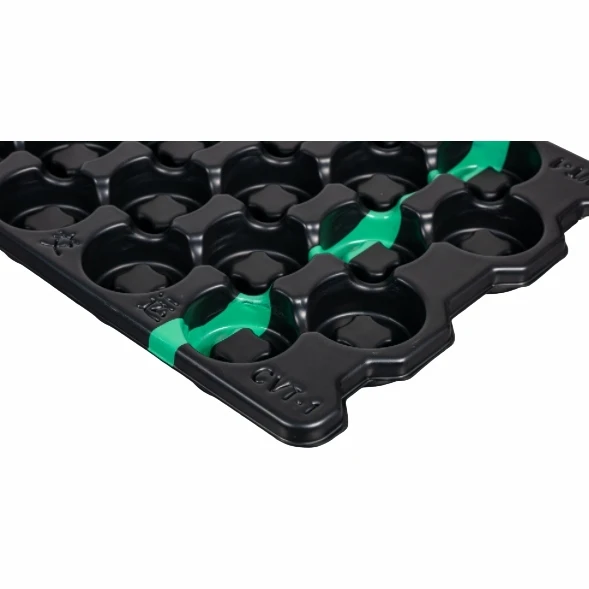
First off, what are thermoformed medical trays? These are trays made through a thermoforming process, where a plastic sheet is heated until it becomes pliable and then molded into the desired shape. They're super handy in the medical field because they can be customized to hold all sorts of medical supplies, from small vials to larger instruments.
Now, the big question: Can they be sterilized? The short answer is yes, but it depends on a few factors.

Types of Sterilization Methods
There are several common sterilization methods out there, and each has its own pros and cons when it comes to thermoformed medical trays.
Autoclaving
Autoclaving is one of the most well - known sterilization methods. It uses high - pressure steam to kill bacteria, viruses, and other microorganisms. It's great because it's fast, effective, and relatively inexpensive. But here's the catch. Thermoformed trays are usually made from plastics like polypropylene, polystyrene, or polyethylene. Some of these plastics can withstand the high temperatures and pressures of autoclaving, while others can't. For example, polypropylene is a pretty tough plastic and can handle autoclaving well. It has a high melting point, so it won't deform easily under the high - pressure steam. On the other hand, polystyrene has a lower melting point and may warp or melt during autoclaving. So, if you're using a thermoformed tray made of polystyrene, autoclaving might not be the best option. You can check out our Thermoformed Packaging Trays to see which materials are suitable for autoclaving.
Ethylene Oxide (EtO) Sterilization
EtO sterilization is another popular method. It works by exposing the trays to ethylene oxide gas, which is a powerful sterilizing agent. The great thing about EtO sterilization is that it can be done at lower temperatures, so it's suitable for plastics that can't handle high - heat sterilization methods like autoclaving. However, there are some downsides. Ethylene oxide is a toxic gas, so proper ventilation and safety procedures are a must. Also, the process takes longer compared to autoclaving. But if you have thermoformed trays made of heat - sensitive plastics, EtO sterilization could be a good choice. You can explore our Durable Multi - Cavity Trays (21 - 128 Cells) and see if they're a fit for EtO sterilization.
Gamma Irradiation
Gamma irradiation uses high - energy gamma rays to kill microorganisms. It's a very effective method and can penetrate deep into the trays, ensuring thorough sterilization. The advantage of gamma irradiation is that it doesn't require any chemicals, so there's no risk of chemical residues on the trays. But it can be expensive, and some plastics can be affected by the high - energy rays. For example, some plastics may become brittle over time due to the radiation. So, you need to make sure the plastic used in your thermoformed trays is radiation - resistant. Our Abs Vacuum Forming Thermoformed Plastic black Trays Products can be evaluated for their suitability for gamma irradiation.
Factors Affecting Sterilization
Apart from the type of plastic, there are other factors that can affect the sterilization of thermoformed medical trays.
Tray Design
The design of the tray matters a lot. If the tray has a complex shape with lots of crevices and corners, it can be difficult for the sterilizing agent (steam, gas, or radiation) to reach all areas. This means that some microorganisms might survive in these hard - to - reach spots. So, when designing thermoformed medical trays, we need to keep sterilization in mind and try to minimize complex designs.
Contamination Level
The level of contamination on the trays before sterilization also plays a role. If the trays are heavily soiled with organic matter like blood or tissue, it can shield the microorganisms from the sterilizing agent. That's why it's important to pre - clean the trays thoroughly before sterilization.
Benefits of Sterilizing Thermoformed Medical Trays
Sterilizing thermoformed medical trays is crucial for several reasons.
Patient Safety
In a medical setting, patient safety is the top priority. Sterile trays ensure that medical supplies are free from harmful microorganisms, reducing the risk of infections for patients. For example, if a syringe is stored in a non - sterile tray, it can pick up bacteria and transmit them to the patient during an injection.
Product Integrity
Sterilization can also help maintain the integrity of the medical products stored in the trays. For instance, if a tray is contaminated, it can cause the medical supplies to degrade over time, making them less effective.
Our Role as a Supplier
As a Thermoformed Trays Medical supplier, we understand the importance of providing trays that can be effectively sterilized. We work closely with our customers to select the right plastics and designs for their specific needs. Whether they need trays for autoclaving, EtO sterilization, or gamma irradiation, we have the expertise to offer suitable solutions.
If you're in the market for thermoformed medical trays and want to discuss sterilization options, we'd love to hear from you. We can help you choose the right trays, materials, and sterilization methods to ensure the safety and effectiveness of your medical supplies.
Conclusion
So, to sum it up, thermoformed medical trays can be sterilized, but it depends on the type of plastic used, the sterilization method, and other factors like tray design and contamination level. By choosing the right combination of these factors, you can ensure that your thermoformed medical trays are sterile and safe for use in a medical environment. If you have any questions or want to start a procurement discussion, don't hesitate to reach out. We're here to help you find the best thermoformed medical tray solutions for your needs.
References
- Block, S. S. (2001). Disinfection, Sterilization, and Preservation. Lippincott Williams & Wilkins.
- Ansel, H. C., Popovich, N. G., & Allen, L. V. (2011). Pharmaceutical Dosage Forms and Drug Delivery Systems. Lippincott Williams & Wilkins.