

Are there any special requirements for equipment housing in a humid environment?
As a seasoned supplier of equipment housing, I've encountered numerous inquiries regarding the unique demands of housing equipment in humid conditions. Humidity can pose significant challenges to the performance and longevity of equipment, making it crucial to understand the special requirements for equipment housing in such environments.
Understanding the Impact of Humidity on Equipment
Humidity refers to the amount of water vapor present in the air. High humidity levels can lead to condensation, corrosion, and the growth of mold and mildew, all of which can have detrimental effects on equipment. Condensation occurs when warm, moist air comes into contact with a cooler surface, causing the water vapor to turn into liquid water. This can lead to short circuits, electrical failures, and damage to sensitive components.
Corrosion is another common problem in humid environments. When metal surfaces are exposed to moisture, they can rust and deteriorate over time. This can weaken the structural integrity of the equipment housing and compromise its ability to protect the internal components. Mold and mildew thrive in warm, damp environments and can cause health problems for humans as well as damage to equipment. They can also clog air vents and filters, reducing the efficiency of the equipment.
Special Requirements for Equipment Housing in a Humid Environment
To address the challenges posed by humidity, equipment housing in humid environments must meet several special requirements. These requirements ensure that the housing provides adequate protection for the equipment and helps to prevent damage caused by moisture.
Material Selection
The choice of materials for equipment housing is crucial in a humid environment. Materials that are resistant to corrosion, moisture, and mold are preferred. Some common materials used for equipment housing in humid environments include:
- Stainless Steel: Stainless steel is a popular choice for equipment housing in humid environments due to its excellent corrosion resistance. It is also strong and durable, making it suitable for protecting heavy or sensitive equipment.
- Aluminum: Aluminum is another lightweight and corrosion-resistant material that is commonly used for equipment housing. It is also easy to fabricate and can be anodized to improve its resistance to corrosion.
- Plastic: Plastic materials such as ABS Textured Vacuum-Formed Protective Plastic Covers are often used for equipment housing in humid environments. They are lightweight, cost-effective, and can be molded into complex shapes. Some plastics are also resistant to moisture and chemicals, making them suitable for use in harsh environments.
Sealing and Gasketing
Proper sealing and gasketing are essential to prevent moisture from entering the equipment housing. Seals and gaskets should be made of materials that are resistant to moisture and can maintain their integrity over time. They should also be installed correctly to ensure a tight seal.
Ventilation
Adequate ventilation is necessary to prevent the buildup of moisture inside the equipment housing. Ventilation helps to remove warm, moist air and replace it with fresh, dry air. This can help to prevent condensation and reduce the risk of mold and mildew growth. Ventilation openings should be designed to prevent the entry of water and debris.
Drainage
In addition to ventilation, equipment housing in humid environments should also have proper drainage systems. Drainage holes or channels can be installed to allow any accumulated water to drain out of the housing. This helps to prevent water from pooling inside the housing and causing damage to the equipment.
Coating and Finish
Applying a protective coating or finish to the equipment housing can help to improve its resistance to moisture and corrosion. Coatings can provide a barrier between the metal surface and the environment, preventing moisture from coming into contact with the metal. Some common coatings used for equipment housing in humid environments include powder coatings, epoxy coatings, and zinc plating.
Our Solutions for Equipment Housing in Humid Environments
As an equipment housing supplier, we understand the unique challenges of housing equipment in humid environments. That's why we offer a range of solutions designed to meet the special requirements of these environments.
Custom Design and Manufacturing
We have the expertise and capabilities to design and manufacture custom equipment housing solutions tailored to the specific needs of our customers. Whether you need a small, lightweight housing for a portable device or a large, heavy-duty housing for industrial equipment, we can create a solution that meets your requirements. Our team of engineers will work closely with you to understand your needs and develop a design that provides optimal protection for your equipment in a humid environment.
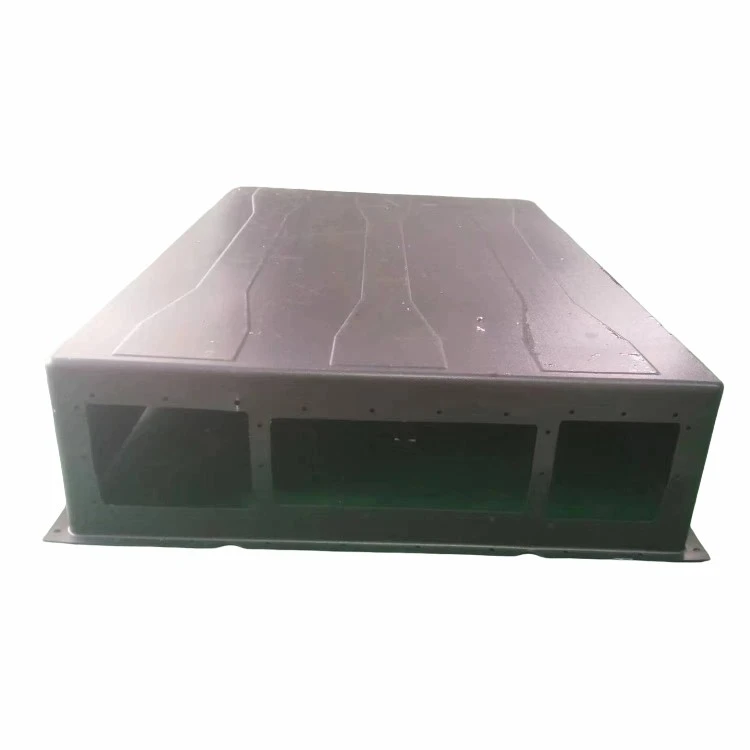

Advanced Manufacturing Processes
We use advanced manufacturing processes such as Heavy Gauge Thermoforming and ABS ASA Equipment Shell Machine Cover forming to produce high-quality equipment housing. These processes allow us to create complex shapes and designs with precision and accuracy. They also ensure that the housing is strong, durable, and resistant to moisture and corrosion.
Quality Assurance
We are committed to providing our customers with the highest quality equipment housing solutions. Our quality assurance team conducts rigorous testing and inspection of all products to ensure that they meet our strict quality standards. We also offer a warranty on all our products to give our customers peace of mind.
Conclusion
In conclusion, equipment housing in a humid environment must meet several special requirements to provide adequate protection for the equipment and prevent damage caused by moisture. By selecting the right materials, ensuring proper sealing and gasketing, providing adequate ventilation and drainage, and applying a protective coating or finish, the housing can effectively protect the equipment from the harmful effects of humidity.
As a leading supplier of equipment housing, we have the experience and expertise to provide customized solutions that meet the unique needs of our customers in humid environments. If you are looking for high-quality equipment housing that can withstand the challenges of a humid environment, we invite you to [contact us for procurement and negotiation]. Our team of experts will be happy to discuss your requirements and provide you with a solution that meets your needs and budget.
References
- "Corrosion Resistance of Metals in Humid Environments," Journal of Materials Science and Engineering
- "Mold and Mildew Prevention in Equipment Housing," Environmental Health and Safety Journal
- "Ventilation Design for Equipment Housing in Humid Conditions," HVAC&R Research