


Our factory is located in Suzhou Industrial Park,adjacent to Shanghai, with a production workshop of 3,000 square meters. We are equipped with our own R&D, design, and sales teams, with experienced mold engineers, designers, production personnel, inspection personnel and export logistics and can provide customers with Provide rapid prototyping services and free samples. It has been very mature in using ABS, PP, PC, PE, PVC, PET, PETG, HIPS, PMMA and other materials and can produce high-quality products.

Why Choose Us
01
Our Service
Vacuum forming works with a variety of plastic materials, such as ABS, PVC, and PETG, providing flexibility in material selection based on specific needs.
02
Our factory
Our factory is located in Suzhou Industrial Park,adjacent to Shanghai, with a production workshop of 3,000 square meters.
03
Production Equipment
8 sets vacuum forming machines, 3 sets 5-axis cnc cutting machines, 2 sets 3-axis cnc cutting machines, 2 sets die cutting machines, 1set bending machine.
04
Production Market
Domestic, USA, Canada, France, Ireland, Belgium, Switzerland, Sweden, Finland, Australia, New Zealand, Japan, Korea and etc.

The Manufacturing Process Of Plastic Car Toys For Children's
The manufacturing process of plastic car toys for children's accessories is becoming increasingly popular in today's market.

Made of highly durable, high-strength polyimide materials and are produced by advanced blister technology.

The plastic shell of the unmanned ship
Made of high-strength polycarbonate material or ABS material, which has good water resistance, acid and alkali resistance and wear resistance.
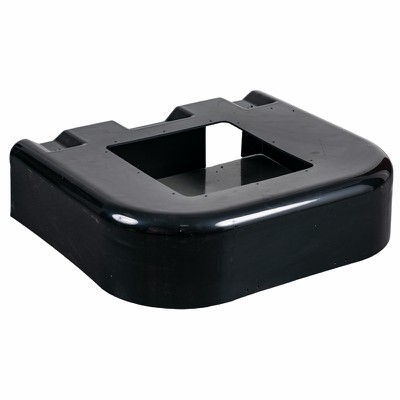

Our company was established in 2006. It is a comprehensive enterprise specializing in the thermoforming plastics industry, integrating R&D, design, production, and import and export trade.

The products are widely used in automobiles, home appliances, food, medical, toys, bathroom, advertising display , scientific research and teaching industries.

Thermoforming ABS Plastic Machine Cover
1.Low mold cost
2.Rapid production, short production time
3.A wide variety of materials can be adapted to a variety of environments

Clear Vacuum Forming Plastic Shell
Our more than 10 year relationships with our major customers are proof of our high quality standards and complete customer satisfaction.

The company has import and export business qualifications, relying on a mature and complete technical service system and customer-oriented corporate service tenet, and has established many business cooperation relationships in Europe, America, Southeast Asia, the Middle East and other regions.
What is ABS Vacuum Forming?
ABS vacuum forming is the technique used to transform flat sheets of plastic into three-dimensional shapes using thermal heating. This is done using a vacuum-forming machine.
Heat the plastic to a temperature where it becomes malleable. This can range between 100 and 225 degrees Celsius.
When the optimum temperature has been reached, lay the plastic onto a mould, usually made of wood, machined aluminium or structural foam.Use the vacuum pressure to pull the plastic sheet tight against the mould.After being moulded, cool the plastic to set it in its new shape.
Benefits of ABS Vacuum Forming
Cost-Effective
The tooling costs for vacuum forming are generally lower than those for injection molding, making it economical for small to medium production runs.
01
Design Flexibility
ABS vacuum forming allows for rapid design changes and modifications. Molds can be easily adjusted or replaced, enabling quick iterations and reducing development time.
02
Durability
ABS provides excellent impact resistance and toughness, making it suitable for products that require durability.
03
Surface Finish
ABS offers a smooth surface finish that can be easily painted, plated, or textured, enhancing the aesthetic appeal of the final product.
04
Lightweight
Despite its strength and rigidity, ABS is lightweight, making it ideal for applications where weight is a concern.
05
What are the Best Plastics For Vacuum Forming?
Acrylic Perspex
Acrylic Perspex (PMMA) – This is a high quality plastic and, as such, is more expensive. Despite this it is used in a variety of products, typically suited to medical applications. It has good strength and excellent formability making it ideal for use where definition is essential.
HIPS
High impact polystyrene is a tough, rigid plastic with high impact strength, as its name suggests. It can be cut, trimmed and machined easily and comes in a variety of colours. This low cost plastic is, therefore, useful in the manufacture of toys, signs and point of sale displays.
HDPE
High density polyethylene (HDPE) is used mainly for caravan and vehicle parts due to its very high impact strength whilst remaining flexible. It is easy to fabricate and weld and is one of the lower cost plastics used in vacuum forming.
PVC
Polyvinyl Chloride, or PVC, is a low cost plastic with medium to high strength capabilities. This vacuum forming plastic is easy to fabricate, weld and machine and has good fire retardant and chemical properties making it useful for a variety of applications including packaging, electronics and automotive.
Polypropylene
Polypropylene is a low cost, flexible plastic with high impact strength. It is chemical resistant and has impressive aesthetic qualities making it useful for chemical tanks, food containers, and medical applications and automotive.
Acrylic
Acrylic plastic is easy to fabricate and bond well with adhesives and solvents. Whilst this plastic is in the higher cost bracket its high quality, versatility and impressive strength makes it ideal for signs, baths and displays/shelves.
Polycarbonate
Polycarbonate is a hard, rigid plastic with very good impact strength. Whilst it is one of the more expensive plastics it is self extinguishing and therefore has many uses in the aerospace industry as well as uses in the manufacture of visors, riot shields and machine guards.
ASA
This vacuum forming plastic is highly durable and has impressive impact strength. Alongside its durability, ASA is UV stable making it useful for outdoor applications. It is commonly used in the automotive industry for car mirrors and grilles but can also be used for garden furniture and signs.
Applications of ABS Vacuum Forming
ABS vacuum forming is used in a wide range of industries due to the material's versatility and durability. Some notable applications include:
Automotive Industry
In the automotive industry, ABS is used to produce components such as dashboards, interior trims, bumpers, and protective covers. The material's impact resistance and ability to withstand high temperatures make it ideal for these applications. ABS vacuum forming allows for the production of lightweight, durable parts that contribute to vehicle performance and safety.
Consumer Electronics
ABS is commonly used in the production of consumer electronics housings, including laptop covers, mobile phone cases, and remote controls. The material's rigidity and ease of finishing make it ideal for these applications. ABS vacuum forming enables the creation of sleek, durable housings that protect electronic components and enhance the user experience.
Medical Devices
The medical industry relies on ABS for the production of various devices and equipment housings. ABS is biocompatible and easy to sterilize, making it suitable for medical applications. Vacuum forming allows for the production of complex shapes and custom designs, meeting the specific needs of medical professionals.
Future Prospects of ABS Vacuum Forming
The future of ABS vacuum forming looks promising, with several trends and advancements shaping the industry:
The development of new ABS formulations with enhanced properties, such as improved UV resistance and flame retardancy, is expanding the applications of ABS vacuum forming. These advanced materials offer greater performance and durability, meeting the evolving needs of various industries.
The integration of automation and robotics in the vacuum forming process is enhancing efficiency and precision. Automated systems can handle material loading, heating, forming, and trimming, reducing labor costs and improving consistency. Robotics are also being used to handle post-processing tasks, such as trimming and assembly, further streamlining production.
As environmental concerns become increasingly important, the manufacturing industry is focusing on sustainability. The development of biodegradable and recycled ABS materials is a significant step towards reducing the environmental impact of plastic production. Implementing sustainable practices, such as recycling excess material and improving energy efficiency, is becoming a priority for manufacturers.
The adoption of digital technologies and the Internet of Things (IoT) is transforming the vacuum forming industry. Real-time monitoring, data analytics, and predictive maintenance are improving process control and reducing downtime. These technologies enable manufacturers to optimize their operations and ensure consistent quality.
What are the Differences Between ABS Vacuum Forming, Thermoforming, and Pressure Forming?
Thermoforming is the process of heating plastic sheets to make them pliable, then shaping or contouring them with a mold and trimming them to create the final product. Both vacuum forming and pressure forming are types of thermoforming processes.
Vacuum forming involves a single mold and a vacuum pump. In this process, a vacuum is applied to the plastic sheet to place it properly into the mold of the desired shape. Vacuum forming is the simplest form of plastic thermoforming. Compared to injection molding and compression molding, vacuum forming costs less on molding and requires shorter production periods. It's ideal for parts that only need apt molding on one side or partial moldings, such as packaging material for food and consumer goods.
On the other hand, pressure forming involves more than one mold. Instead of employing suction from the vacuum pump, the sheet is placed within one mold and then pressed by placing the other mold on top of it. This approach allows precise and visually pleasing molds, such as appliance and machine casings. Pressure forming is best for producing bezels, bases, covers, and equipment panels.
The ABS Vacuum Forming Process
The vacuum forming process for ABS involves several steps to transform a flat sheet of ABS into a three-dimensional product. These steps include material selection, heating, forming, cooling, and finishing.
1. Material Selection
The first step is selecting the appropriate ABS sheet for the application. ABS sheets come in various thicknesses, colors, and surface finishes. The choice of sheet depends on the specific requirements of the end product, such as its size, shape, and intended use.
2. Heating
The ABS sheet is clamped into a frame and heated in an oven until it becomes pliable. The heating process is crucial, as the sheet must reach a uniform temperature to ensure consistent forming. The temperature and heating time depend on the thickness of the sheet and the specific grade of ABS used.
3. Forming
Once the ABS sheet is heated to the desired temperature, it is transferred to the forming station. The sheet is draped over a mold, and a vacuum is applied to remove the air between the mold and the sheet. This vacuum pressure pulls the sheet tightly against the mold, allowing it to take on the desired shape. The mold can be made of various materials, including aluminum, wood, or composite materials.
4. Cooling
The formed ABS sheet must be cooled to solidify its new shape. Cooling can be accelerated using fans or water sprays. Proper cooling is essential to prevent warping or deformation of the final product.
5. Trimming and Finishing
After cooling, the formed ABS part is removed from the mold and trimmed to remove any excess material. Additional finishing processes, such as drilling, painting, or adding hardware, may be performed to meet the final product specifications. The smooth surface of ABS makes it easy to achieve a high-quality finish.
Considerations for Custom ABS Vacuum Forming
1. Material Thickness
The thickness of the ABS sheet used in vacuum forming can significantly affect the final product's strength, flexibility, and weight. Thicker sheets provide greater durability but may require more complex forming processes and longer cycle times.
2. Tooling and Mold Design
The design and quality of the mold used in vacuum forming are critical to the success of the final product. High-quality molds ensure precise forming and reduce the risk of defects. Additionally, the mold design should consider factors like draft angles, undercuts, and venting to ensure smooth production.
3. Surface Finish
ABS plastic can be vacuum formed with a variety of surface finishes, from high-gloss to textured. The choice of finish can impact the aesthetic appeal and functional properties of the product. For example, a high-gloss finish might be desirable for consumer electronics, while a textured finish could be preferred for automotive interior components to reduce glare and fingerprints.
4. Environmental Considerations
While ABS plastic is not biodegradable, it is recyclable. Companies looking to minimize their environmental impact should consider implementing recycling programs for ABS waste and exploring the use of recycled ABS materials in their production processes.
5. Post-Processing Options
Vacuum-formed ABS products can undergo various post-processing treatments to enhance their appearance and functionality. These treatments include painting, silk-screening, and UV coating. Depending on the intended use of the product, these finishing touches can add significant value.
Our Factory
We have multi CNC mold processing centers, which can meet the mold processing of aluminum molds,resin mold,wood mold ect. We have raw materials, mold, product design, production and processing and export trade, we can offer customers with comprehensive and integrated plastic parts molding. We can also cooperate with customer mold modification.


Our Certificate


FAQ
Hot Tags: abs vacuum forming, China abs vacuum forming manufacturers, suppliers, factory, Vacuum Formed Plastic Enclosure, vacuum forming plastic cover shell, HDPE Vacuum Forming, Clear Vacuum Forming Plastic Shell, Painted Vacuum Forming Parts, Large Vacuum Forming Cover


